Understanding the Colonial Context of the Dutch-Indonesian Conflict
The Dutch-Indonesian conflict is a profound chapter in the history of Southeast Asia, with its roots deeply embedded in colonial practices that shaped the region. For over three centuries, Indonesia was under Dutch colonial rule, transforming its political, economic, and social fabric. Understanding this complex history is essential to grasp the subsequent struggles for independence and national identity that emerged as the colonial era drew to a close. By exploring pivotal moments in this conflict, we can gain deeper insights into the interactions between the colonizers and the colonized, and how these interactions influenced modern Indonesian society. As we delve into this topic, sites like rokok88 slot offer valuable resources that provide comprehensive historical insights.
What Led to the Dutch Colonization of Indonesia?
The colonization of Indonesia by the Dutch was primarily driven by the lucrative spice trade that had attracted European powers since the 16th century. The desire for profit motivated the establishment of the Dutch East India Company (VOC) in 1602, which monopolized trade routes and initiated a series of territorial acquisitions. The VOC exploited local rivalries and conflicts, establishing trading posts and eventually taking control of key islands, including Java, Maluku, and Sumatra.
Key Events in the Colonial Era
Several key events marked the Dutch colonial era, shaping Indonesia's social and political landscape. The capture of Jakarta (formerly Batavia) in 1619 established a colonial stronghold that served as the administrative center for Dutch rule. The Java War (1825-1830) and the Aceh War (1873-1914) exemplified significant resistance against colonial rule, where local leaders rallied to defend their sovereignty. These events illustrated the persistent spirit of resistance among the Indonesian people, which would continue into the 20th century.
Impact of Colonial Rule on Indonesian Society
Colonial rule had a profound impact on Indonesian society, leading to the transformation of traditional systems and the introduction of new societal structures. The Dutch implemented a taxation system that burdened the peasantry, fostering resentment and economic disparity. Education became a tool for the Dutch to propagate their ideology, creating a class of educated Indonesians who would later become instrumental in the struggle for independence. The legacy of colonialism is still palpable in contemporary Indonesia, affecting its political and social dynamics.
Major Conflicts during the Dutch-Indonesian War
The Dutch-Indonesian War, which spanned several decades, was marked by a series of brutal conflicts that showcased the Indonesian people's resilience and struggle for independence. The war not only involved conventional battles but also guerrilla warfare, illustrating the adaptability and determination of local forces. Understanding these conflicts helps in appreciating the complexity of the independence movement that ultimately led to the birth of modern Indonesia.
Critical Battles and Strategies Used
Key battles, such as the Battle of Surabaya in 1945 and the Battle of Semarang, were pivotal in the struggle against Dutch forces. Indonesian fighters used unconventional tactics, leveraging their knowledge of the local terrain and engaging in guerrilla warfare. The Dutch responded with overwhelming military force, but the steadfast resistance highlighted the commitment of Indonesian nationalists to their cause. These battles galvanized public support for independence and showcased the unified spirit of various factions across the archipelago.
The Role of Key Historical Figures
Several individuals emerged as significant leaders during the conflict, including Sukarno and Mohammad Hatta, who played crucial roles in articulating the aspirations of the Indonesian people. Sukarno’s speeches inspired mass mobilization, while Hatta’s diplomatic efforts sought international recognition for Indonesia's independence. Their leadership was instrumental in uniting various groups under a common goal, ultimately setting the stage for the declaration of independence on August 17, 1945, which marked a significant turning point in Indonesian history.
Local Resistance Movements and Their Impact
Numerous local resistance movements contributed to the national struggle against Dutch colonialism. From the Aceh Sultanate's continued defiance to the peasant uprisings in rural Java, these movements were characterized by their diversity in objectives and strategies. Collectively, they forged a national consciousness among Indonesians, fostering a sense of unity and purpose that transcended local rivalries. The enduring legacy of these movements is evident in Indonesia's modern-day commitment to its national identity and sovereignty.
The Path to Indonesian Independence
The path to Indonesian independence was fraught with challenges, including external pressures and internal divisions. Following World War II, the geopolitical landscape shifted dramatically, paving the way for increased international support for independence movements worldwide. Indonesia's struggle must be viewed within this broader context of decolonization.
Post-war Negotiations and Agreements
After the war, the Dutch initially attempted to re-establish control through military means but faced fierce resistance from the Indonesian people. The Renville Agreement of 1948 and subsequent negotiations highlighted the complexities of the transition from colonial rule to independence. International mediation played a pivotal role, with the United Nations facilitating discussions that culminated in the recognition of Indonesian sovereignty in 1949.
Global Influence and Support for Independence
The global sentiment against colonialism gained momentum after World War II, influencing the Dutch-Indonesian conflict. Support from newly independent nations and international organizations bolstered Indonesia's position during negotiations. The solidarity among colonized nations underscored the universal desire for freedom and self-determination, providing a strong moral and political backing for Indonesia's independence movement.
Declaring Sovereignty: The Role of International Law
The establishment of Indonesia as an independent nation was not merely a unilateral decision; it was also a legal process influenced by international law. The principles of self-determination enshrined in the UN Charter provided a framework for Indonesia's claim to sovereignty. Notably, the recognition by the Dutch government in 1949 formalized Indonesia's status as a sovereign state in the international community.
Modern Perspectives on the Dutch-Indonesian Conflict
Today, the Dutch-Indonesian conflict remains a salient topic in both nations' cultural and diplomatic narratives. Understanding this history informs current relations while shaping national identities in Indonesia and beyond. The lessons learned from this conflict continue to resonate, prompting critical reflections on colonialism's legacy.
How History Shapes Current Indonesian-Belgian Relations
The historical context of the Dutch-Indonesian conflict continues to influence contemporary relations between Indonesia and the Netherlands. Initiatives aimed at reconciliation and mutual understanding reflect a recognition of the past and its impact on present diplomatic ties. Acknowledging historical grievances paves the way for more meaningful partnerships based on respect and recognition.
Public Memory and Historical Narratives
The way history is remembered and taught in both Indonesia and the Netherlands significantly impacts public perception. In Indonesia, the narrative of resistance and struggle for independence fosters national pride, while in the Netherlands, it challenges the public to confront its colonial past. Educational reforms and public discourse play essential roles in shaping these narratives.
Lessons Learned and Their Applications Today
The Dutch-Indonesian conflict serves as a case study in the complexities of colonialism and the resilience of the colonized. Key lessons include the importance of understanding historical narratives, recognizing the impact of colonial legacies, and fostering dialogue between former colonizers and the colonized. These insights are crucial for addressing modern issues of inequality, identity, and multiculturalism.
Future Trends in Historical Research and Education
The future of historical research and education on the Dutch-Indonesian conflict appears promising, with advancements in technology and methodology paving the way for innovative approaches. Digital tools enable historians to analyze and present data in more engaging ways, enhancing public accessibility and understanding of complex historical narratives.
Embracing Technology in Historical Education
As technology continues to evolve, it offers new opportunities for disseminating historical knowledge. Interactive platforms, virtual reality experiences, and gamified learning environments can engage younger generations in historical education. These innovations can make the study of colonial history more relevant and relatable, fostering a deeper connection to the past.
Engaging Younger Generations with Interactive Learning
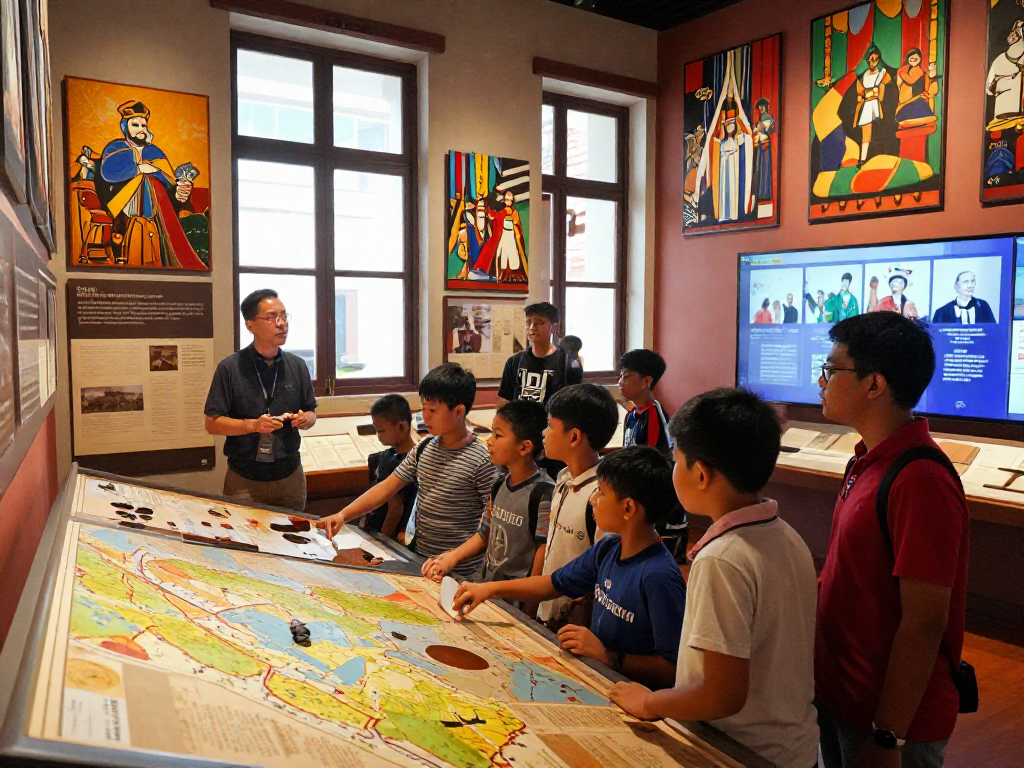
To ensure that the lessons of the Dutch-Indonesian conflict resonate with younger audiences, educational curricula must incorporate interactive and experiential learning approaches. Field trips to historical sites, multimedia presentations, and collaborative projects can spark interest and encourage critical thinking about historical events and their relevance today.
Forecasting Future Research Directions (2026 and Beyond)
As we look to the future, research on the Dutch-Indonesian conflict will likely expand, encompassing new methodologies and interdisciplinary approaches. Collaborative projects involving historians, educators, and community representatives will enrich our understanding of this complex period. The integration of diverse perspectives will contribute to a more nuanced view of Indonesia's history and its ongoing significance in global discussions about colonialism and independence.
What are the main misconceptions about the Dutch-Indonesian War?
One prevalent misconception is that the conflict was solely a military struggle. In reality, it was a multifaceted political, social, and cultural movement aimed at achieving national sovereignty. This broader perspective helps illuminate the diverse motivations and aspirations that fueled the quest for independence.
How did colonial rule affect modern Indonesia?
Colonial rule has left an indelible mark on Indonesia’s political landscape, economy, and cultural identity. The legacy of governance, economic exploitation, and social divisions created during this period continues to influence contemporary issues such as inequality and regional disparities. Understanding these impacts is essential for addressing modern challenges.
What role did local leaders play in the fight for independence?
Local leaders were pivotal in mobilizing support for the independence movement. They leveraged their influence within communities to inspire collective action and articulate the aspirations of the Indonesian people. Their contributions were instrumental in building unity across diverse ethnic and cultural groups.
In what ways can history inform current diplomatic relations?
Historical awareness can guide contemporary diplomatic relations by fostering mutual understanding and respect. Acknowledging historical injustices and working toward reconciliation can enhance trust between nations, promoting cooperative relationships based on shared values and goals.
What are the current educational approaches to teaching this history?
Current educational approaches emphasize critical thinking, interdisciplinary perspectives, and the inclusion of diverse narratives. This methodology encourages students to engage with history actively and consider its implications for contemporary society. Educators are increasingly integrating technology and interactive methods to enhance learning experiences and foster a deeper understanding of historical complexities.